NOW BUZZING 헤어컬러가 브라운과 오렌지로 쪼개지는 이… · 코치, 85주년에 '낡음'을 미래로 바꾸… · 프레피룩, 왜 더 플라자에서 다시 태어났…◆
JELIBI
⌕ SUBSCRIBE
SEOUL · DAILY · ISSUE No.327 WE TRIED IT · THE PICK · BEHIND IT 2026.09.30 · WED
JELIBI
⌕ SUB
Beauty Body Gadget Bites Buzz World
HOME/GADGET/BEHIND IT
GADGET BEHIND IT · 5 MIN READ

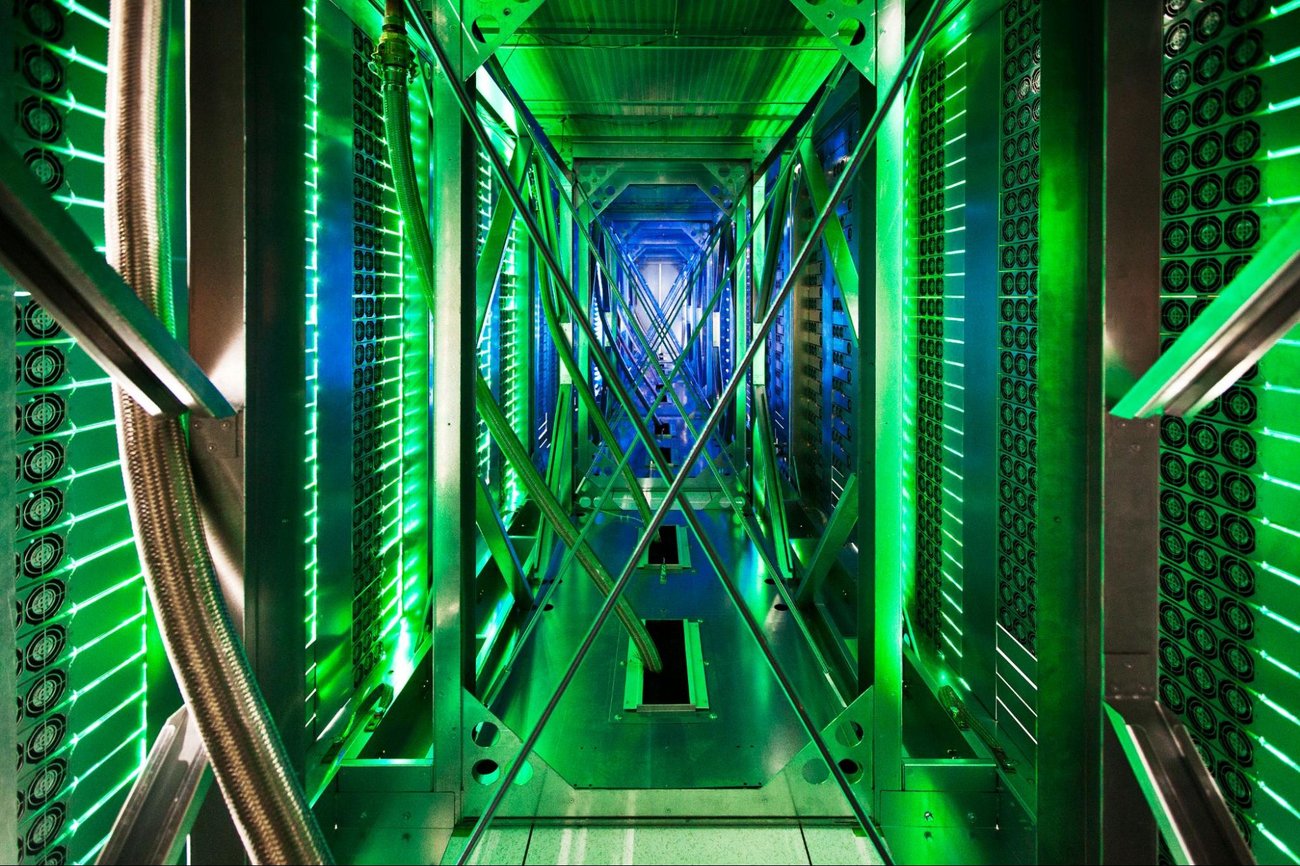
Google, AI 탄소발자국 최소화 방안 공개
JD 젤리비 편집국 · 2026.01.07 SHARE · COPY LINK

무슨 발표인가

  • 2030년까지 24/7 탄소중립 에너지로 운영 목표 설정
  • 머신러닝 시스템 규모 증가에 따른 환경 영향 분석
  • 2016년부터 AI 전용 컴퓨터 시스템 효율성 연구 진행

원문 (영어)

The book that led to my visit to Google. When I first visited Google back in 2002, I was a computer science professor at UC Berkeley. My colleague John Hennessey and I were updating our textbook on computer architecture, and Larry Page — who rode a hot-rodded electric scooter at the time — agreed to show me how his then three-year-old company designed its computing for Search.

I remember the setup was lean yet powerful: just 6,000 low-cost PC servers and 12,000 PC disks answering 70 million queries around the world, every day. It was my first real look at how Google built its computer systems from the ground up, optimizing for efficiency at every level.

When I joined the company in 2016, it was with the goal of helping research how to maximize the efficiency of computer systems built specifically for artificial intelligence. Last year, Google set an ambitious goal of operating on 24/7 carbon-free energy, everywhere, by the end of the decade.

But at the same time, machine learning systems are quickly becoming larger and more capable. What will be the environmental impact of those systems — and how can we neutralize that impact going forward? Today, we’re publishing a detailed analysis that addresses both of those questions.

It’s an account of the energy- and carbon-costs of training six state-of-the art ML models, including five of our own. (Training a model is like building infrastructure: You spend the energy to train the model once, after which it’s used and reused many times, possibly by hundreds of millions of people.)

To our knowledge, it’s the most thorough evaluation of its kind yet published. And while we had reason to believe our systems were efficient, we were encouraged by just how efficient they turned out to be.

원문: Google Blog (Technology/AI) — "How we’re minimizing AI’s carbon footprint" (2026-01-07) 공식 원문: https://blog.google/innovation-and-ai/technology/ai/minimizing-carbon-footprint/

#Google Blog (Technology/AI)
THE JELIBI BRIEF

A small team that reads too much internet so you don't have to.

SUBSCRIBE →
GADGET

인스로픽, 안전장치 없이 사이버공격 자동화 모델 공개

GADGET

삼성 6개 계열사, AI 인프라 기업 헬릭스에 10억 달러 투자

GADGET

TBC, AWS와 협력해 신경세포 유래 AI 비디오 모델 출시

← GADGET BEHIND IT

Google, AI 탄소발자국 최소화 방안 공개

젤리비 편집국·2026.01.07·5 MIN
IN THIS PIECE
무슨 발표인가 원문 (영어)

무슨 발표인가

  • 2030년까지 24/7 탄소중립 에너지로 운영 목표 설정
  • 머신러닝 시스템 규모 증가에 따른 환경 영향 분석
  • 2016년부터 AI 전용 컴퓨터 시스템 효율성 연구 진행

원문 (영어)

The book that led to my visit to Google. When I first visited Google back in 2002, I was a computer science professor at UC Berkeley. My colleague John Hennessey and I were updating our textbook on computer architecture, and Larry Page — who rode a hot-rodded electric scooter at the time — agreed to show me how his then three-year-old company designed its computing for Search.

I remember the setup was lean yet powerful: just 6,000 low-cost PC servers and 12,000 PC disks answering 70 million queries around the world, every day. It was my first real look at how Google built its computer systems from the ground up, optimizing for efficiency at every level.

When I joined the company in 2016, it was with the goal of helping research how to maximize the efficiency of computer systems built specifically for artificial intelligence. Last year, Google set an ambitious goal of operating on 24/7 carbon-free energy, everywhere, by the end of the decade.

But at the same time, machine learning systems are quickly becoming larger and more capable. What will be the environmental impact of those systems — and how can we neutralize that impact going forward? Today, we’re publishing a detailed analysis that addresses both of those questions.

It’s an account of the energy- and carbon-costs of training six state-of-the art ML models, including five of our own. (Training a model is like building infrastructure: You spend the energy to train the model once, after which it’s used and reused many times, possibly by hundreds of millions of people.)

To our knowledge, it’s the most thorough evaluation of its kind yet published. And while we had reason to believe our systems were efficient, we were encouraged by just how efficient they turned out to be.

원문: Google Blog (Technology/AI) — "How we’re minimizing AI’s carbon footprint" (2026-01-07) 공식 원문: https://blog.google/innovation-and-ai/technology/ai/minimizing-carbon-footprint/

#Google Blog (Technology/AI)
THE JELIBI BRIEF

A small team that reads too much internet so you don't have to.

SUBSCRIBE →
MORE IN BEHIND IT
질병관리청, WHO 의료대응수단 네트워크 포럼 참석해 감염병 대응 협력 강화인스로픽, 안전장치 없이 사이버공격 자동화 모델 공개삼성 6개 계열사, AI 인프라 기업 헬릭스에 10억 달러 투자Samsung, 세계 심장의 날 캠페인으로 심장 건강 관리 강조CJ도너스캠프, 아동복지시설 교사 260명 교사교육 실시
THE JELIBI BRIEF

인터넷을 너무 많이 보는 팀이 대신 골라 옵니다.

SUBSCRIBE

바로가기 등록하시면, 더 쉽게 찾아보실 수 있습니다.